Introduction
In the ever-evolving landscape of digital marketing, the marriage between marketing funnels and graphic design stands as a lodestar guiding businesses towards success. Both components play critical roles in capturing and nurturing leads, yet their true power shines when they intersect harmoniously. As we delve into this confluence, we'll explore how striking a balance between art and strategy can drive substantial business outcomes.
Understanding Marketing Funnels
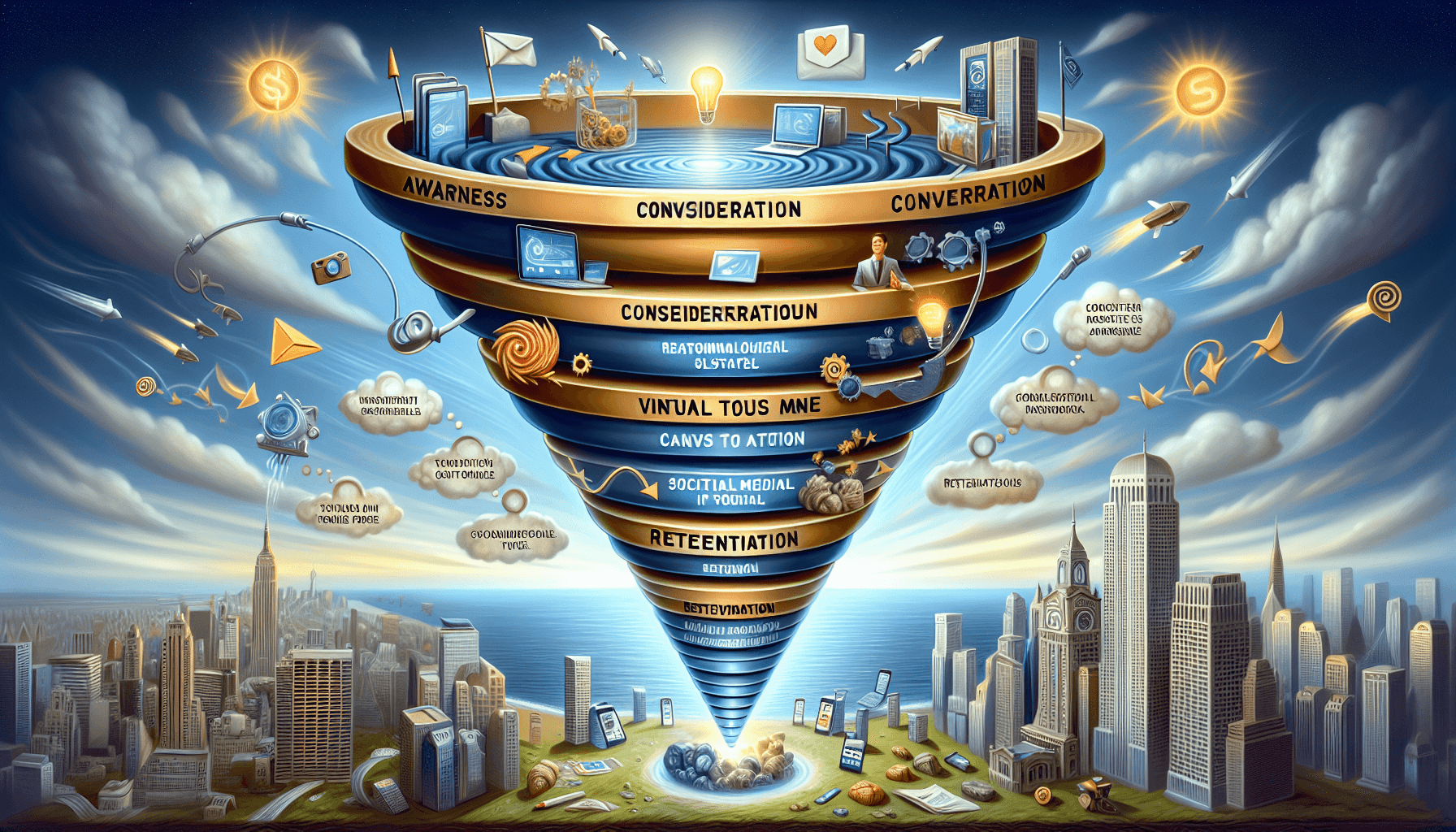
At the heart of any robust digital marketing strategy lies the marketing funnel—a model that describes the journey customers take from initial awareness to the final decision and beyond. The three primary stages of the funnel—Awareness, Consideration, and Decision—serve as pivotal touchpoints where prospects convert into loyal customers.
The Awareness stage is where you catch the eye, pulling prospects in with compelling messaging and visual allure. As the funnel narrows, the Consideration stage focuses on nurturing interest through informative content, and finally, the Decision stage seals the deal with persuasive CTAs and tailored incentives. Each stage is crucial, influencing conversion rates and directly impacting business growth. Tracking key metrics such as engagement rates, bounce rates, and conversion ratios at each stage enables marketers to fine-tune strategies for optimal performance.
The Role of Graphic Design in Marketing Funnels
Visual elements shape consumer perceptions long before they become loyal customers. Psychology tells us that design choices—from color palettes to typography—greatly influence consumer behavior. For instance, the calming blues often associated with trust and reliability drive engagement in the financial industry, while bold reds, exuding excitement and urgency, can ignite action in retail.
Effective campaigns blur the line between aesthetics and strategy. Consider Airbnb's innovative use of imagery and typography to shape brand perception, marrying visual storytelling with their funnel strategy to sustain user interest. Such successes underline the significance of thoughtfully crafted design in achieving marketing goals.
Best Practices for Designing Marketing Funnel Graphics
Staying true to brand identity across all stages of the funnel is paramount. Consistent branding cultivates recognition and trust, ensuring prospects feel engaged and understood. Crafting compelling visual content means knowing your audience—designs should speak their language and echo their needs.
Engaging CTAs and well-designed landing pages often serve as the tipping point for conversions. CTAs should be visually distinct yet harmonious with surrounding content, employing contrasting colors and clear, concise language. Landing pages should be uncluttered, prioritizing ease of navigation and focusing on core offers.
Integrating Graphic Design Into Your Marketing Funnel Strategy
Conducting a detailed audit of current funnels from a design perspective reveals areas ripe for improvement. Consider the user experience: is the design intuitive and inviting? Leveraging A/B testing allows you to experiment with different design elements, identifying what resonates most with your audience.
Several tools facilitate effective design integration, from Canva for its user-friendly interface to Adobe Creative Cloud for more intricate needs. These platforms support a range of design projects, providing the flexibility to develop visually stunning, conversion-centric funnel components.
Aligning Sales and Marketing Efforts Through Design
Design bridges the gap between sales and marketing, fostering collaboration that enhances the overall customer experience. Visual storytelling can articulate complex solutions, addressing consumer pain points and aligning them with your product offerings. An integrated approach not only boosts brand consistency but also amplifies conversions by ensuring a seamless journey from initial interest to purchase.
Measuring the Impact of Design on Funnel Performance
Quantifying the effectiveness of design within the funnel is crucial. Metrics such as user engagement, click-through rates, and conversion rates provide insights into how design influences buyer behavior. Regularly analyzing these data points informs design decisions, ensuring continuous enhancement.
Real-world examples, such as Slack's aesthetically-driven approach to user engagement and brand loyalty, demonstrate the tangible impact of thoughtful design on sales and ROI. Particularly noteworthy is their use of clear, colorful icons and concise messaging across touchpoints to foster community and streamline user interaction.
Future Trends in Marketing Funnels and Graphic Design
As technology advances, so too must our approach to marketing design. Emerging trends such as augmented reality and AI-driven personalization herald a new era in design, where immersive experiences and tailored content become standard. As marketing funnels increasingly adapt to personalized needs, designing for these shifts will be crucial.
Predictive analytics will play a larger role, enabling preemptive refinement of marketing designs and strategies. Staying ahead of these trends will ensure your design approach remains cutting-edge, fostering continued audience engagement.
Conclusion
Marketing funnels and graphic design, when strategically aligned, are powerful tools that effectively guide prospects through the buyer journey. By embracing innovative design practices, businesses can elevate their marketing strategies to new heights. The balance of effective design and thoughtful analytics not only enhances customer experience but drives measurable business success. As you evaluate your own funnel designs, consider how these insights may inform and inspire your journey toward maximum effectiveness.