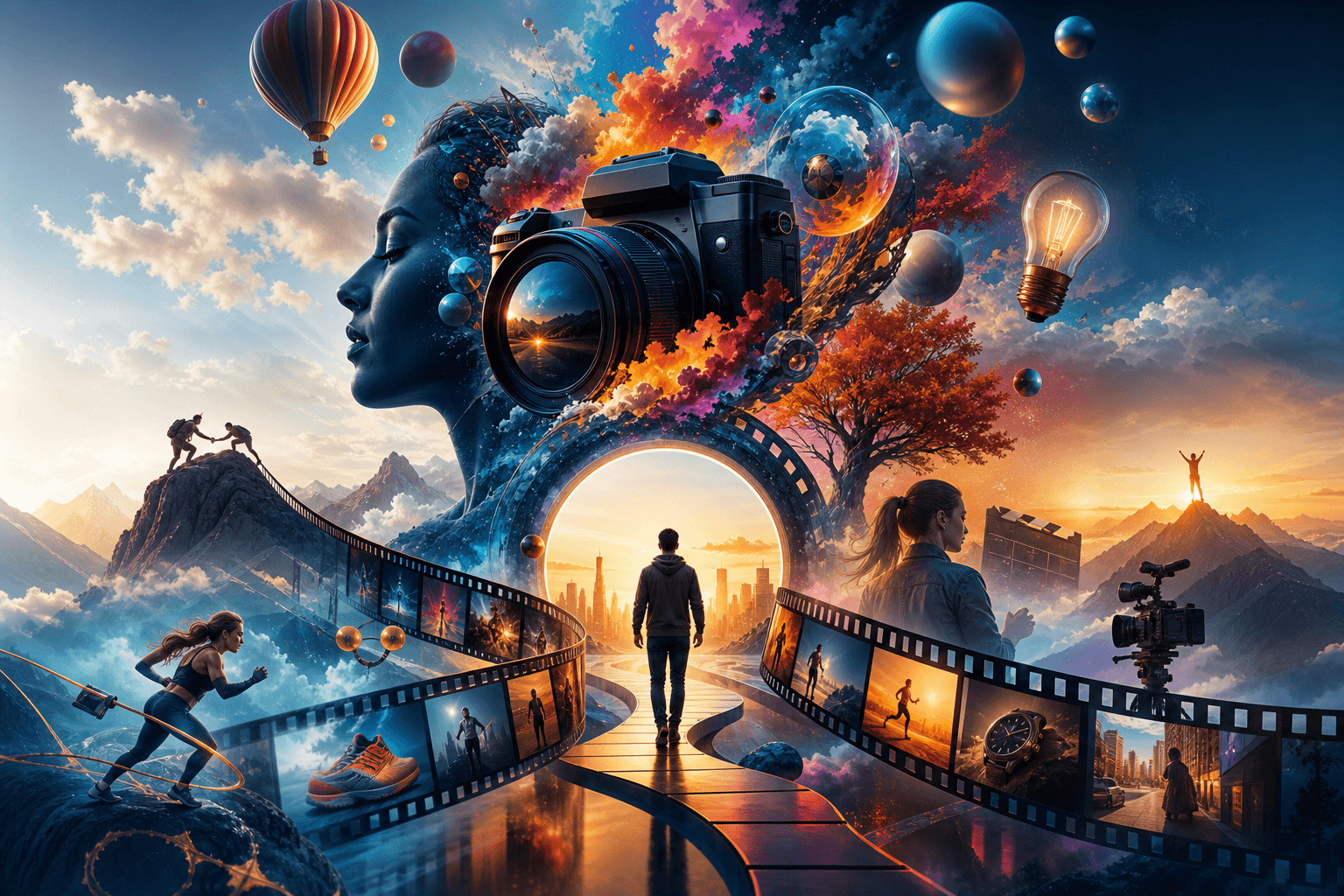
Title: Empowering Brand Positioning Through the Lens of Videography
Introduction
In an era where digital presence dictates business success, brand positioning stands as a pillar for companies striving to distinguish themselves in a crowded marketplace. The task of creating a distinctive brand voice is more challenging than ever, and innovative approaches have become crucial. Enter videography—a potent tool not only for visual storytelling but also for solidifying a brand’s place in the minds of consumers. In this article, we explore the intersection between brand positioning and videography, providing insights and strategies to leverage these mediums effectively.
Understanding Brand Positioning
Brand positioning is the art of crafting and tailoring a brand's image to occupy a unique space in the consumer's mind. It's a strategic undertaking that involves defining the brand's purpose, identity, and core values. Unlike brand identity, which focuses on visual and design elements, brand positioning hinges on perception—it's how consumers perceive and emotionally connect with your brand. This connection is rooted in psychological principles: perception (how the brand is seen), associations (linked imagery and emotions), and relevance (the brand's importance to the consumer's life).
The Role of Videography in Brand Positioning
Videography serves as a dynamic vehicle for brand positioning, enabling companies to visually articulate their brand's ethos. Through compelling narratives and striking visuals, videography can communicate brand values with an immediacy that text alone cannot achieve. It encompasses various forms: brand storytelling, product demonstrations, and testimonials, each offering unique ways to convey brand authenticity and connect with an audience. The production quality of videos—encompassing everything from lighting to editing—also plays a significant role in shaping brand perception, as viewers often equate high-quality visuals with high-quality products and services.
Crafting Effective Brand Narratives through Videography
Stories are powerful. They evoke emotions and drive home a brand’s message more effectively than mere facts or figures. For brands, storytelling through videography should focus on establishing emotional connections. This involves understanding your audience deeply—what motivates them, what challenges they face, and what dreams they pursue. Successful brands like Apple and Nike have mastered this art, creating video content that resonates globally. To craft your narrative, start with a strong storyline, integrate relatable characters or scenarios, and ensure consistency with your brand’s message.
Tactical Approaches to Videography for Brand Positioning
Creating compelling brand videos requires attention to several elements: a gripping opening, a clear message, and a strong call to action. Budgeting wisely is crucial; while high production value is important, so is maintaining cost-efficiency. Technologies like AI and machine learning can optimize video production processes, offering sophisticated results even with limited resources. Once created, effective distribution is vital. Utilize platforms like YouTube, Instagram, and LinkedIn to expand reach and visibility, ensuring your message is accessible to the desired demographic.
Metrics and Analysis for Videography Effectiveness
To gauge the impact of brand videos, specific performance metrics must be monitored. These include view count, average watch time, engagement rate (likes, comments, shares), and conversion rate. By employing tools like Google Analytics, you can glean insights into viewer behaviour and adjust strategies accordingly. Case studies reveal that videos not only increase brand engagement but also boost conversion rates substantially. For example, explainer videos have been shown to increase product understanding by 74%, making them particularly effective for complex offerings.
Challenges and Solutions in Utilizing Videography for Brand Positioning
Like any marketing strategy, using videography comes with challenges. Common pitfalls include poor video quality, lack of a clear message, and inadequate distribution channels. To overcome these obstacles, brands must continuously refine their video content based on audience feedback and analytics. Addressing engagement and reach issues may involve experimenting with different video lengths and formats or employing targeted advertising strategies to reach niche markets.
Future Trends in Brand Positioning and Videography
The future of videography in brand positioning is poised for transformation through emerging technologies. AI and automation are streamlining video production, making it more accessible and efficient. Meanwhile, immersive technologies like virtual and augmented reality offer novel ways to enhance brand storytelling, providing audiences with interactive and personalized experiences. These advancements deep dive into the potential future landscape, paving the way for more innovative and engaging brand positioning strategies.
Conclusion
As digital landscapes continue to evolve, videography remains an essential tool in the brand positioning toolkit. By harnessing innovative videography strategies, companies can not only articulate their brand persona more vividly but also build stronger connections with their audience. Ultimately, the integration of technology and creative content will continue to redefine brand positioning, offering exciting opportunities for those willing to explore the possibilities. Embrace the power of videography and see your brand positioning elevate to new heights.