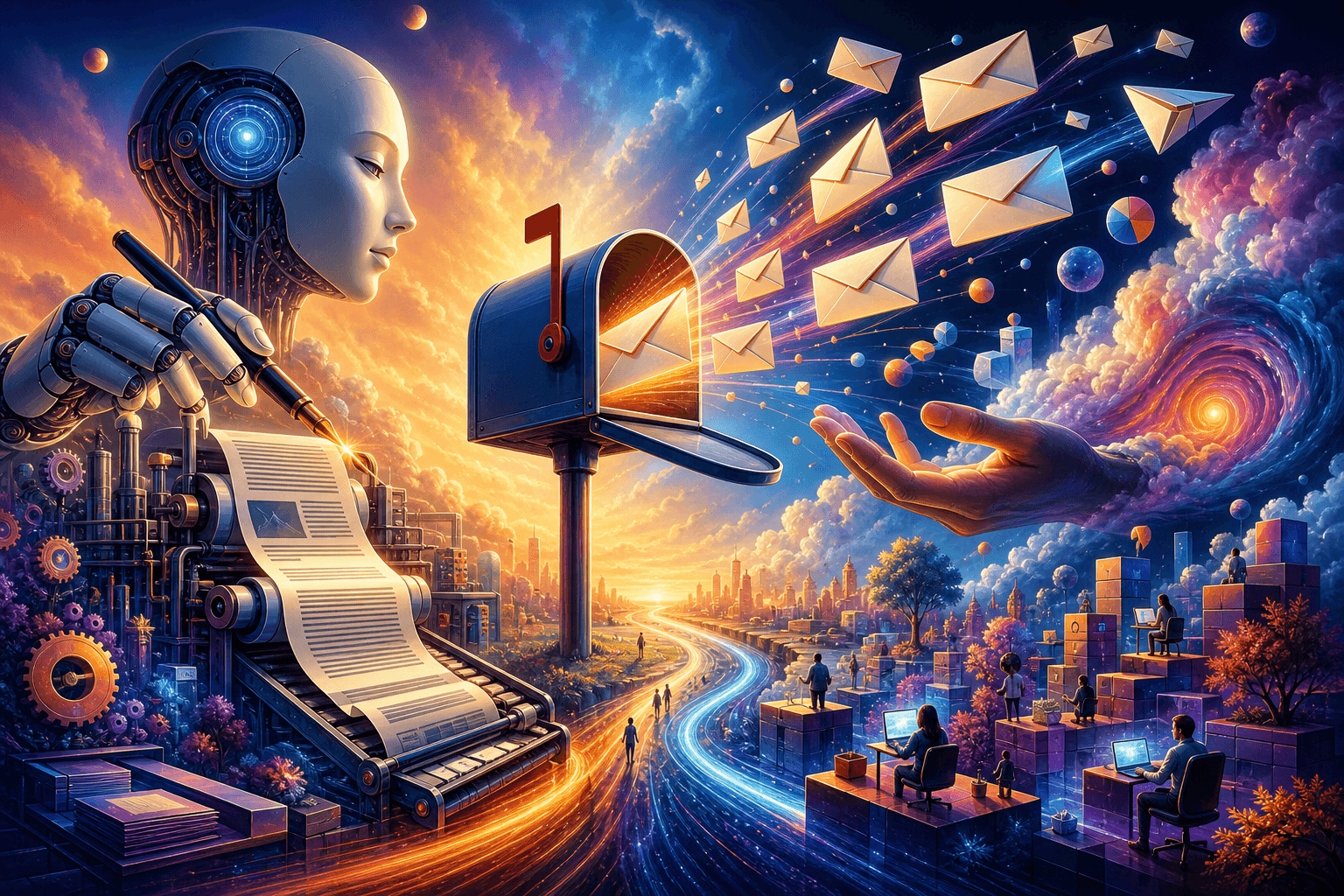
In today's fast-paced digital landscape, the intersection of marketing and technology offers exciting opportunities for industries seeking to scale their operations and enhance customer experiences. For interior designers and Chief Innovation Officers (CIOs), Marketing Process Automation and chatbots represent two pivotal tools that can streamline operations, improve client engagement, and drive business growth.
Understanding Marketing Process Automation
At its core, Marketing Process Automation refers to using technology to automate marketing tasks and workflows, enhancing efficiency and effectiveness. By implementing these systems, businesses can eliminate routine tasks, focus on strategic initiatives, and gather real-time data insights.
For interior designers, Marketing Process Automation offers several benefits:
Streamlining Repetitive Tasks: Automation takes over time-consuming tasks like sending follow-up emails, scheduling social media posts, and managing client databases. This allows designers more time to focus on creativity and client interaction.
Enhancing Customer Experience: Automation ensures timely and personalized interactions with clients, providing a seamless journey from the first contact to project completion. This can significantly enhance client satisfaction and loyalty.
Data-Driven Decision-Making: Automated systems collect and analyze vast amounts of data, providing insights into client preferences and market trends, allowing for informed decision-making.
CIOs, on the other hand, benefit from automation by ensuring that marketing strategies align with broader digital transformation goals.
Key Components of Marketing Process Automation
Email Marketing Automation: By leveraging email automation, businesses can deliver personalized content and drip campaigns, nurturing potential leads and maintaining engagement.
Social Media Automation: Tools like Buffer and Hootsuite enable designers and CIOs to plan, schedule, and analyze social media activities, ensuring a consistent online presence.
Lead Tracking and Nurturing: Integrating Customer Relationship Management (CRM) systems helps in tracking client interactions and automating follow-ups, making lead nurturing more efficient.
The Role of Chatbots in Marketing Automation
Chatbots, the digital concierges of the online world, are reshaping client interactions. These AI-driven tools operate 24/7, providing instant responses, qualifying leads, and gathering feedback.
Benefits of Implementing Chatbots
24/7 Availability: Chatbots never sleep, ensuring potential clients always receive timely responses to inquiries, enhancing customer satisfaction.
Instant Lead Qualification: Chatbots can quickly assess client needs, directing high-quality leads to sales pipelines, ensuring a steady flow of opportunities.
Enhanced Interactions: By collecting customer feedback and preferences, chatbots can help businesses tailor their services, leading to more personalized client experiences.
Practical Applications for Interior Designers
Interior designers stand to gain significantly from automation and chatbots:
Using Chatbots for Client Engagement: Chatbots can handle initial client inquiries, gather project details, and schedule appointments, freeing up designers to focus on high-level design tasks.
Automating Appointment Scheduling: Automated systems coordinate between designer availability and client schedules, minimizing double bookings and ensuring client convenience.
Lead Generation via Interactivity: Chatbots can interact with users to capture valuable leads while providing educational content, positioning the designer as a thought leader in the industry.
Case Studies of Successful Implementation
Real-world examples abound of interior design firms successfully implementing Marketing Process Automation and chatbots. For instance, a leading design firm in London leveraged chatbots to manage client interactions, resulting in a 40% increase in lead generation while cutting administrative tasks by half. Another studio in New York used automation to streamline project management, saving hours weekly and enhancing productivity.
Overcoming Challenges in Implementation
Despite the advantages, there are common challenges:
Misconceptions About Automation: There's a fear that automation might lead to impersonal interactions. However, when used correctly, automation personalizes communication by delivering the right message at the right time.
Technical Limitations: Selecting the right tools is crucial. Firms should consider scalability, integration capabilities, and user-friendliness when choosing an automation solution.
Best Practices for Maximizing Automation Efforts
To maximize the impact of automation:
Integrate with Existing Workflows: Ensure that new systems complement current processes without disrupting operations.
Analyze Data Continuously: Regularly review performance metrics to refine and improve marketing strategies.
Train Team Members: Educating staff ensures they can effectively leverage new technology, optimizing automation's benefits.
Future Trends in Marketing Process Automation and Chatbots
The future holds exciting possibilities for automation:
AI and Machine Learning: As these technologies evolve, expect more sophisticated chatbots capable of nuanced client interactions and deeper data insights.
Evolution of Customer Interactions: As automation becomes more integrated into daily operations, expect a shift towards more dynamic, real-time customer engagement experiences.
In conclusion, Marketing Process Automation and chatbots are not just tools—they're strategic allies for interior designers and CIOs aiming to enhance operational efficiency and customer experience. By embracing these technologies, businesses can remain competitive, foster innovation, and continue delivering exceptional value to their clients.
For those eager to dive deeper into these innovations, numerous resources are available, offering guidance on everything from initial implementation to advanced optimization techniques. The journey towards automation promises not only improved business outcomes but also the ability to navigate the ever-evolving digital landscape confidently.