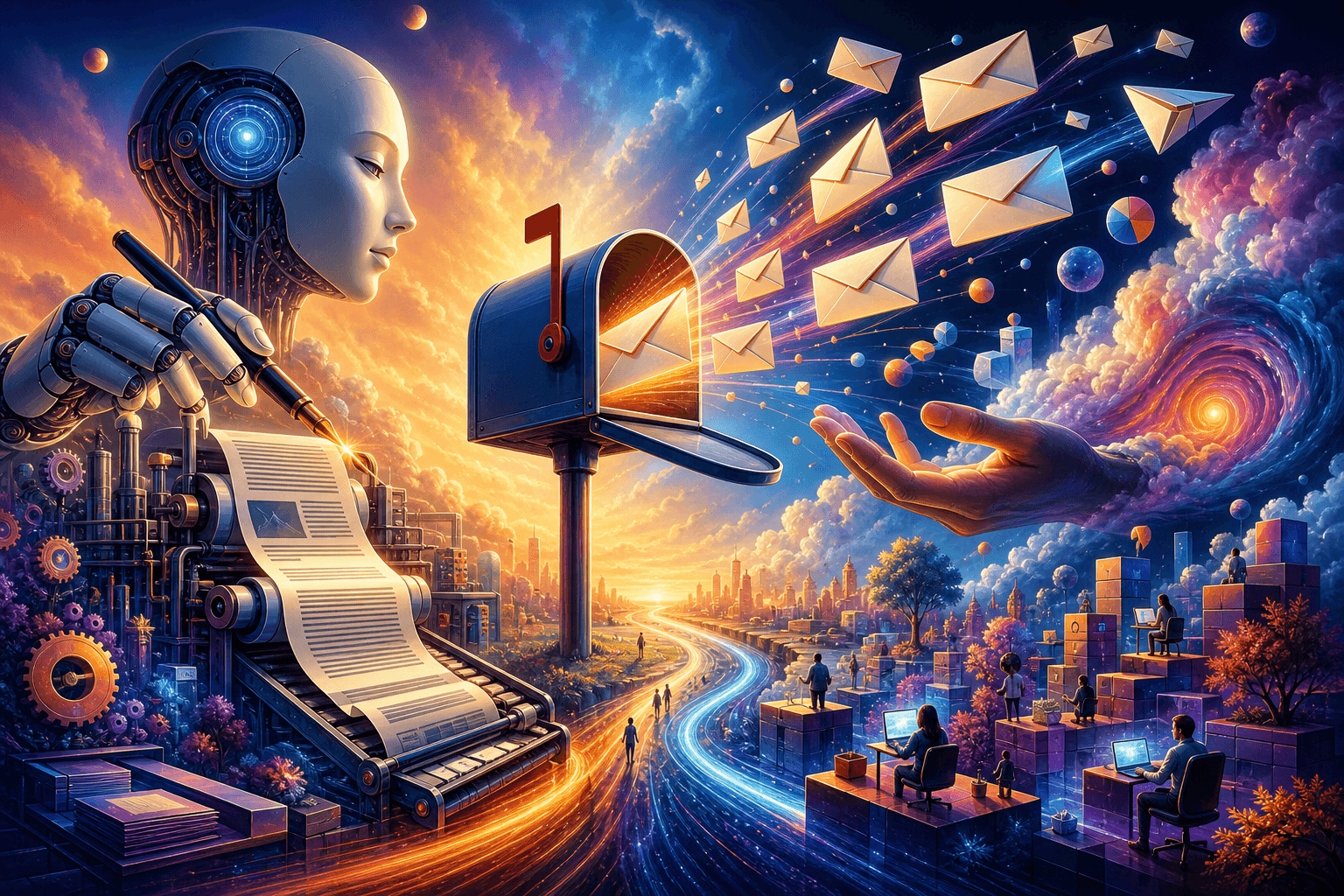
Chatbots and Search Engine Marketing: A Modern Love Story
Introduction
In the ever-evolving landscape of digital marketing, staying ahead of the curve is a perpetual game of cat and mouse. Just when you think you've caught up, another trend or technology emerges to shake things up. One such game-changer that has been making waves is the integration of chatbots with search engine marketing (SEM). This dynamic duo promises to revolutionize how businesses engage with users and drive conversions. In this article, we'll explore how chatbots and SEM intersect, offering Chief Marketing Officers (CMOs) and marketing enthusiasts the insights needed to capitalize on this powerful synergy.
Understanding Chatbots
To comprehend the impact of chatbots on SEM, it's important to first understand what chatbots are and how they function. At their core, chatbots are software applications designed to simulate human interaction through text or voice. There are two primary types: rule-based and AI-driven chatbots. Rule-based chatbots operate on pre-set scripts and flows, while AI-driven chatbots leverage machine learning to provide more adaptive and insightful responses.
The Role of Chatbots in Search Engine Marketing
The intersection of chatbots with SEM is a fertile ground for innovation. Chatbots enhance user experience during SEM campaigns by providing instant, interactive communication channels that keep potential customers engaged. A user searching for a product can immediately connect with a chatbot that answers questions, offers product recommendations, and guides the purchase process, reducing bounce rates and increasing conversions.
Moreover, chatbots excel at lead generation and qualification. By interacting with users in real-time, they can gather and analyze information about potential customers, ensuring that only qualified leads are handed over to sales teams, maximizing efficiency and effectiveness.
Optimizing Chatbots for Search Engines
Just as websites are optimized for search, chatbots require similar tweaks to maximize their visibility and impact. Best practices include the strategic use of keywords and meta descriptions to ensure chatbots are indexed effectively. Additionally, implementing structured data can enhance a chatbot's visibility in search results, providing a sneak peek of its functionality and attracting potential users.
Structured data doesn’t just improve visibility; it also elevates a chatbot's performance metrics, which can significantly impact a campaign's quality score in SEM. A high-quality score means better positioning and potentially lower costs—an enticing prospect for any marketing professional.
Leveraging Chatbots for Personalization
Personalization is the cornerstone of modern marketing, and chatbots are well-placed to deliver bespoke experiences. By collecting and analyzing user data, chatbots can tailor their interactions to each visitor's preferences, thereby enhancing the overall user experience. This level of personalization is vital in SEM, where tailored ads have shown higher engagement and better ROI.
Furthermore, by continually analyzing the data they collect, chatbots can improve response accuracy over time, ensuring interactions become increasingly intuitive and customized. This capability not only improves customer satisfaction but also contributes to a deeper understanding of market trends and consumer behavior.
Integrating Chatbots with SEM Strategies
The true power of chatbots in SEM lies in their seamless integration with existing digital marketing strategies. Aligning chatbot dialogues with SEM content ensures consistency across all user touchpoints. Tools and platforms like Google Ads, Facebook Messenger, and WhatsApp Business API provide robust integration capabilities, allowing chatbots to be deployed across popular ad networks effortlessly.
To measure the success of chatbot integration, marketers need to closely monitor key performance indicators such as engagement rates, conversion rates, and user retention metrics. Continuous testing and optimization will ensure that the chatbot consistently meets performance benchmarks.
Future Trends in Chatbots & Search Engine Marketing
Looking ahead, the rise of conversational marketing and voice search signifies the next major evolution in chatbots. Voice-enabled chatbots are set to become indispensable as more users shift towards voice-activated devices. Additionally, advancements in AI promise to enhance chatbot functionalities further, enabling more natural and nuanced interactions.
As the industry evolves, chatbots will become integral to digital advertising platforms, not only supporting SEM campaigns but also providing a rich source of user data, helping marketers refine strategies and predict trends with greater accuracy.
Challenges and Considerations
While the potential of chatbots in SEM is immense, it isn't without challenges. Common pitfalls include over-automation, which can result in impersonal user interactions, detracting from the customer experience. Balancing automation with a human touch is vital to ensuring meaningful engagement.
User privacy concerns and compliance with regulations such as GDPR cannot be overlooked. Marketers must ensure chatbots respect user privacy and data protection protocols to avoid legal complications and trust issues.
Conclusion
The synergy between chatbots and SEM is undeniable and offers a competitive edge to those willing to embrace this integration. By enhancing user experiences, streamlining lead qualification, and personalizing interactions, chatbots can significantly augment marketing strategies and drive business growth.
Call to Action
We invite feedback and shared experiences from fellow marketers who've integrated chatbots into their SEM strategies. Stay informed on emerging chatbot technologies and strategies to continue leading in the digital marketing domain. It's only up from here in the chatbot conversation revolution.