Introduction
In the ever-evolving realm of digital marketing, staying ahead of the curve requires embracing innovative tools and strategies. One such innovation that has skyrocketed to prominence is the use of chatbots. Like helpful gnomes working tirelessly behind the scenes, chatbots have embedded themselves into the marketing strategies of forward-thinking businesses. Their integration into social media marketing serves as a vital bridge, connecting brands with customers in meaningful ways.
The rise of chatbots in digital marketing is not merely a futuristic concept — it's a current reality. As these digital helpers grow more sophisticated, marketing professionals must understand how to employ them effectively within social media marketing strategies. This article delves into actionable insights for optimizing the use of chatbots across social media platforms.
Understanding Chatbots
To harness the power of chatbots, we must first understand their essence. Chatbots are software applications designed to simulate conversation with human users, primarily over the internet. They come in two flavors: rule-based and AI-driven. Rule-based chatbots operate on pre-programmed scripts, while AI-driven chatbots leverage cutting-edge technology like natural language processing (NLP) and machine learning to provide more fluid and adaptive interactions.
Chatbot technology has made significant strides in recent years, thanks in part to advancements in NLP and machine learning. These bots are no longer bound to simple question-and-answer routines; they enhance user experience by engaging in more natural and sophisticated conversations on social media platforms. From answering customer inquiries to facilitating transactions, chatbots have become essential components of digital marketing.
The Intersection of Chatbots and Social Media Marketing
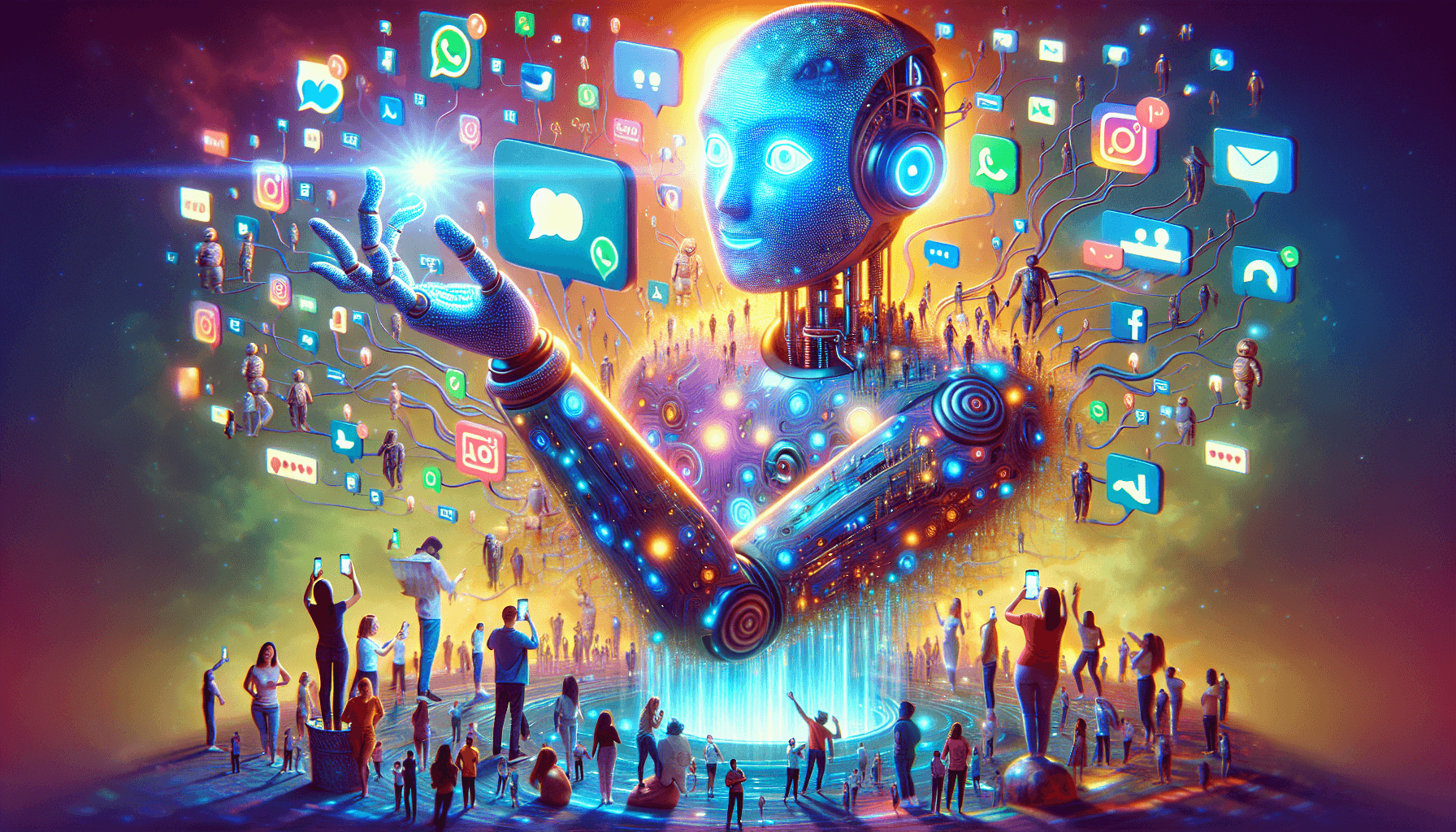
Social media platforms have become prime real estate for chatbot deployment. Facebook Messenger, WhatsApp, Instagram, and others are not just channels for connection; they are platforms where businesses can engage audiences with innovative chatbot features. The benefits of integrating chatbots into social media marketing can be substantial, both for businesses and customers.
One of the chief advantages is the availability of 24/7 customer service. Gone are the days when customers had to wait for business hours to resolve issues or pose questions. With chatbots, messages are processed instantly, which leads to better engagement and satisfaction. Additionally, chatbots can utilize their access to data analysis to offer personalized experiences, making customers feel understood and valued.
Numerous brands have already capitalized on these benefits by implementing successful chatbot strategies on social media. For instance, Sephora's chatbot on Facebook Messenger revolutionized how they provided makeup tips, product recommendations, and booking services in a seamless user experience.
Creating an Effective Social Media Chatbot Strategy
A crafted approach is necessary to maximize the benefits of chatbots in social media marketing. The journey begins with defining clear objectives, which can range from improving customer engagement to increasing lead conversions. Once goals are established, designing a user-friendly chatbot follows. This involves intricate planning of conversational flow and user experience design to ensure seamless interactions.
The bot's tone and personality should align with the brand's voice to maintain consistency across all customer touchpoints. Personalization can also be elevated by using customer data to create targeted interactions. Engaging chatbot scripts, peppered with features like quizzes and product discovery paths, keep users intrigued and coming back for more.
Measuring the Success of Chatbots in Social Media Marketing
The success of chatbots should not be left to chance. Specific key performance indicators (KPIs) — such as user engagement rates, conversion metrics, and retention analysis — provide valuable insights into chatbot effectiveness.
Various tools and technologies are available to monitor chatbot performance, continuously refining its process by gathering user feedback. Data collected from user interactions can highlight areas for improvement and guide developers in making tweaks that cater to evolving consumer preferences.
Challenges and Solutions
Certainly, the road to chatbot integration is not without its challenges. Marketers often encounter issues like user resistance, technical hiccups, and even data privacy concerns. Some might regard chatbots as impersonal or intrusive — it's up to marketers to mitigate these perceptions with empathetic design and clear communication.
Technical challenges may arise, but solutions like collaborating with tech teams, conducting thorough testing, and ensuring GDPR compliance can ensure smoother sailing. Best practices include providing easy access to human agents when needed and training chatbots to handle sensitive data responsibly.
Future Trends in Chatbots and Social Media Marketing
The future of chatbots in social media marketing is intricately tied to the evolution of AI capabilities. Expect advancements in AI to enhance chatbot functionality, allowing them to understand and predict customer needs with uncanny precision.
As businesses move toward omnichannel marketing, chatbots will likely play pivotal roles in unified customer experiences. Future use cases might involve virtual shopping assistants that guide customers seamlessly across different platforms or chatbots that harness emotion recognition to tailor responses.
Conclusion
As we recap the benefits and impressive capabilities chatbots bring to social media marketing, it's clear they're more than a passing trend — they're integral to modern digital marketing strategies. The field of digital marketing is dynamic, and chatbots represent substantial potential for innovation.
Marketers are encouraged to explore and experiment with chatbot strategies, ensuring they remain pioneers in the fast-paced marketing landscape. As chatbots become more sophisticated and integrated, the opportunities for creating meaningful connections with customers will only continue to expand. So why not take that step forward and bring your brand's digital presence into the transformative age of chatbots?